

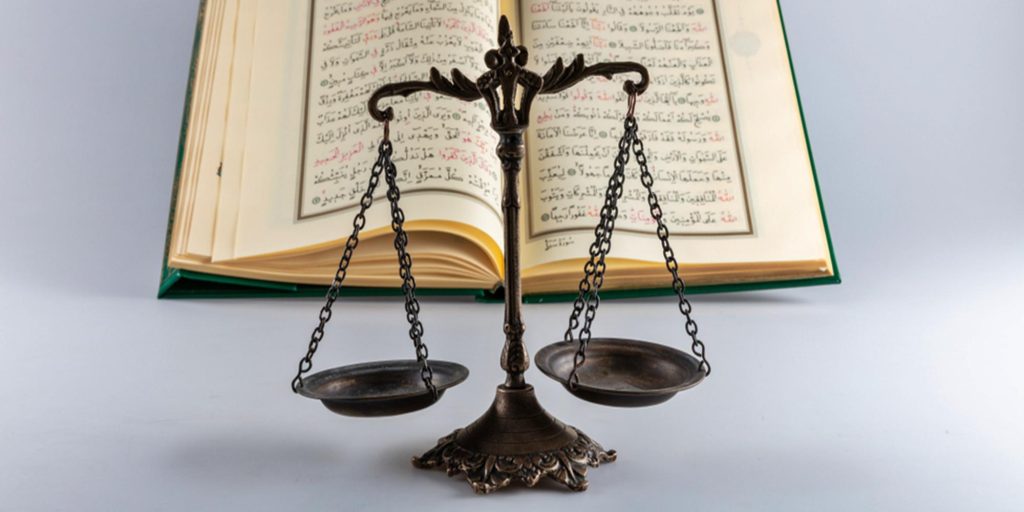
Sharia Law remains one of the most widely discussed legal and religious systems globally. While often featured in political debates and media reports, many people still have questions about what Sharia Law actually means and how it works in practice.
Derived from Islamic teachings, Sharia Law serves as a framework that guides many aspects of life for Muslims, including personal conduct, family matters, financial transactions, and religious obligations.
What Is Sharia Law?
Sharia Law refers to the moral and legal principles derived from the Quran, the holy book of Islam, and the teachings and practices of Prophet Muhammad.
The word “Sharia” means “the path” or “the way” in Arabic. It is considered a guide for Muslims on how to live according to Islamic values and teachings.
Rather than being a single written legal code, Sharia Law is based on interpretations by Islamic scholars who study religious texts and apply them to modern situations.
Key Principles of Sharia Law
Sharia Law covers various areas of life and focuses on promoting justice, honesty, responsibility, and community welfare.
Some of its major principles include:
- Worship and religious obligations
- Family and marriage laws
- Business and financial ethics
- Personal conduct and morality
- Social justice and charity
Many Muslims follow Sharia principles in their daily lives regardless of whether they live in countries that formally recognize Sharia Law.
How Sharia Law Is Applied Around the World
The application of Sharia Law varies significantly from one country to another.
In some nations, Sharia Law is incorporated into national legal systems and may govern areas such as family law, inheritance, and marriage.
Other countries apply Sharia Law only in personal matters affecting Muslims, while secular states may allow religious courts to handle specific family-related disputes.
Several countries combine elements of Sharia Law with civil or common law systems, creating hybrid legal frameworks.
Common Misconceptions About Sharia Law
Experts note that there are many misconceptions surrounding Sharia Law. One common misunderstanding is that it is applied uniformly across all Muslim-majority countries.
In reality, interpretations and implementations differ depending on local traditions, legal structures, and cultural practices.
Scholars also emphasize that Sharia Law encompasses far more than criminal law, including guidance on worship, ethics, charity, and social responsibility.
Why Sharia Law Continues to Generate Debate
Sharia Law remains a topic of international discussion because it intersects with issues of religion, governance, human rights, and cultural identity.
Supporters view it as a system that reflects Islamic values and moral guidance, while critics often debate aspects of its implementation in certain jurisdictions.
As global conversations about religion and law continue, understanding the principles and realities of Sharia Law remains important for informed public discourse.
Conclusion
Sharia Law is a complex legal and ethical framework rooted in Islamic teachings. Its interpretation and application vary widely across different countries and communities.
Understanding Sharia Law requires looking beyond headlines and examining its historical, religious, and social context. As discussions continue worldwide, informed knowledge remains essential for meaningful dialogue.